
Road noteThe park gates are a short drive from Sawai Madhopur town. Safari tracks are rough and dusty, mornings are cold in winter, and the fort climb is steep.
Ranthambore is sold to the world on its tigers, and the tigers are real. But the park is also one of the most striking historic places in eastern Rajasthan. A great fort sits on a flat-topped hill in the middle of the forest, its walls running along the cliff edge, its gates climbing up through the rock. Below it lie lakes edged with ruined pavilions and old banyan trees, and around them stretches dry forest of dhok trees, ravines and grassland. Visit for the whole of that and you will not leave disappointed, whatever the safari brings.
A fort older than the forest reserve
Ranthambore Fort is usually dated to the tenth century, and through the medieval period it was one of the most fought-over strongholds in northern India. Its most famous ruler, Hammir Dev, held it against the armies of Delhi until it fell to Alauddin Khalji in 1301 after a long siege. Later it passed through the hands of the Mughals and finally the rulers of Jaipur, who used the surrounding forest as a hunting ground. In 2013 the fort was inscribed by UNESCO as one of the Hill Forts of Rajasthan, alongside Chittorgarh, Kumbhalgarh with its long wall, Gagron, Amber and Jaisalmer.
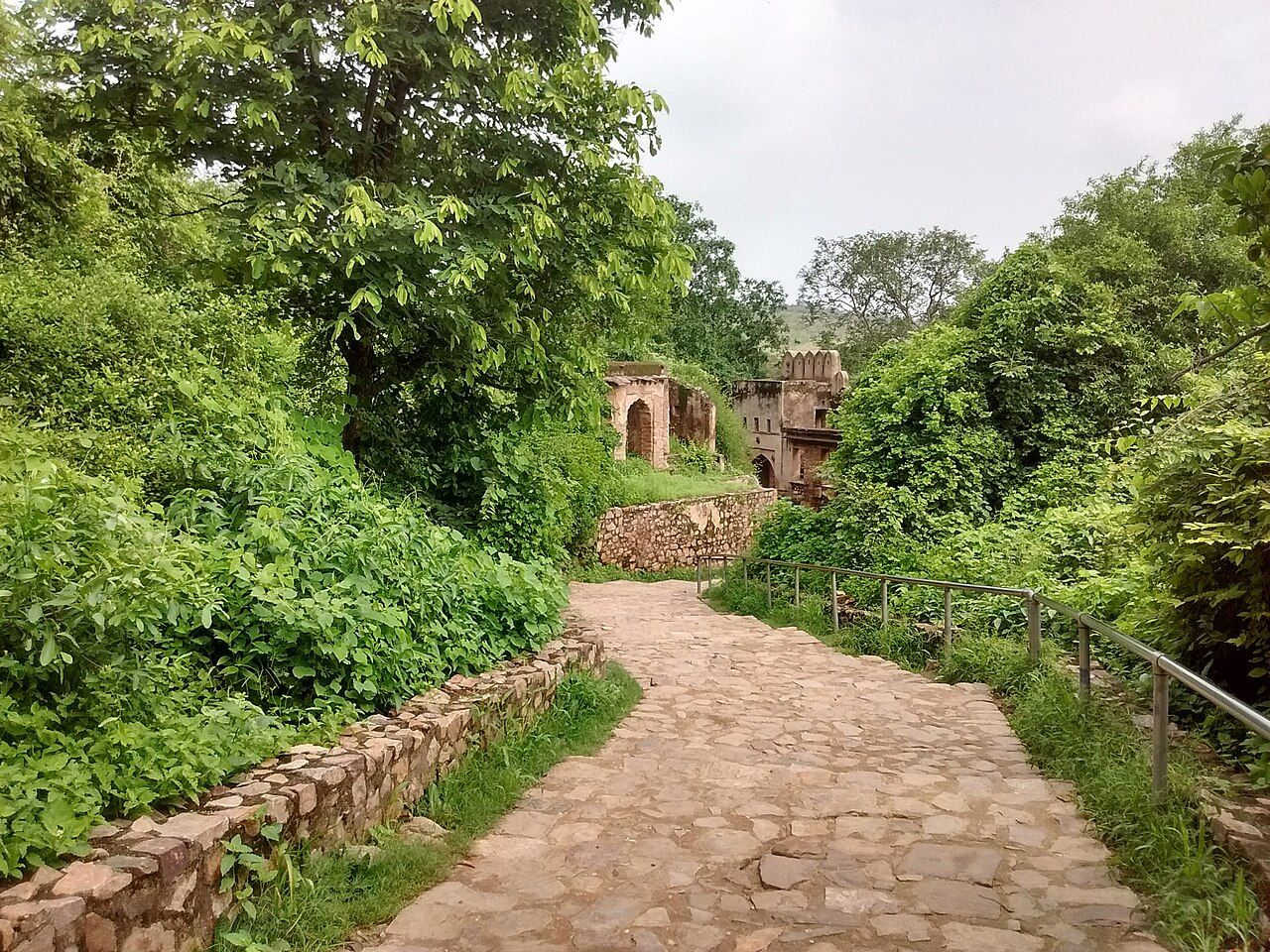
You can visit the fort without booking a safari. The road to it runs into the park as far as the base of the hill, and from there a stepped path climbs through a series of gates. Inside the walls are temples, step-wells, tanks, the shells of palaces and pavilions, and long views over the forest and the lakes below.
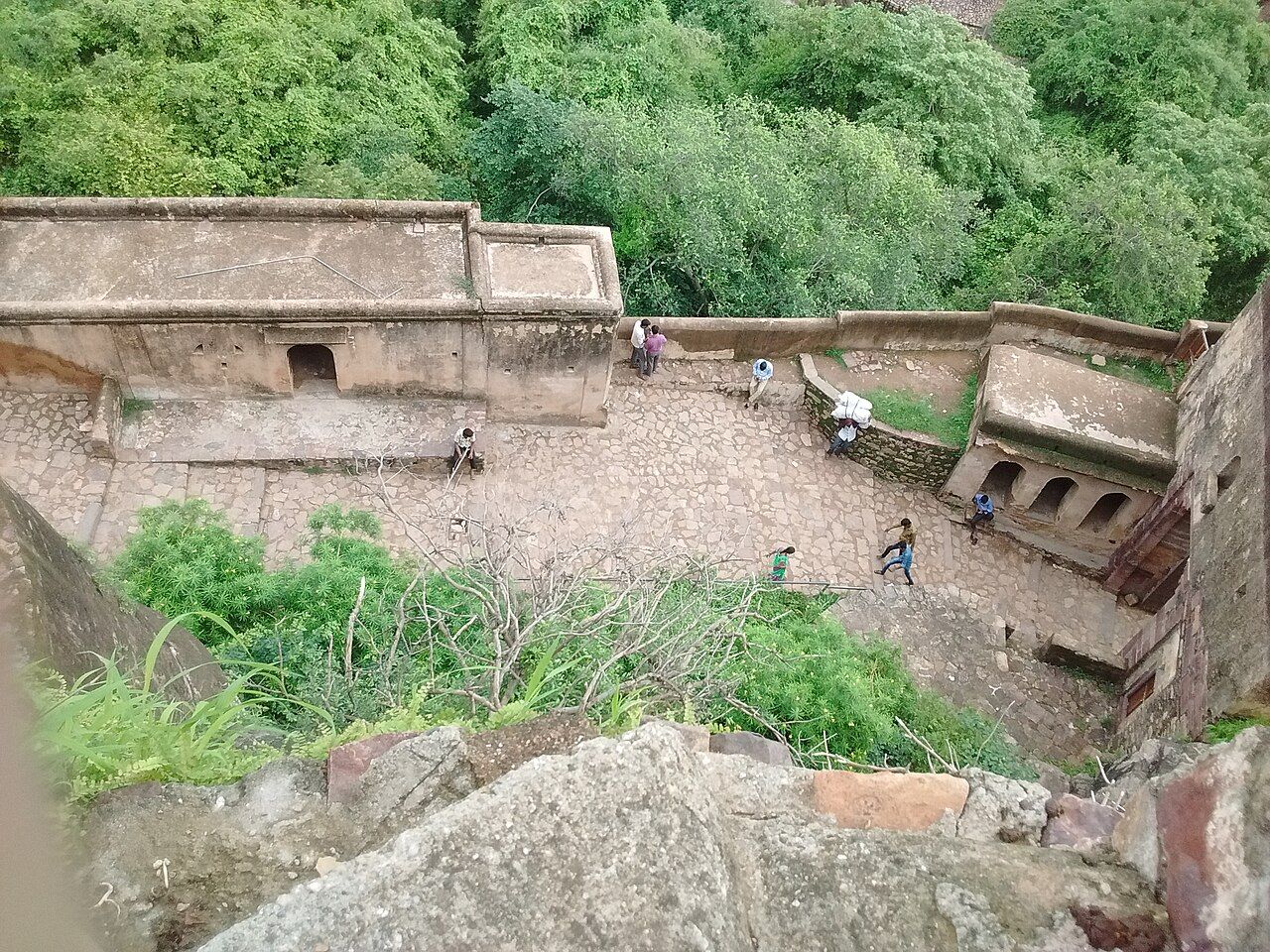
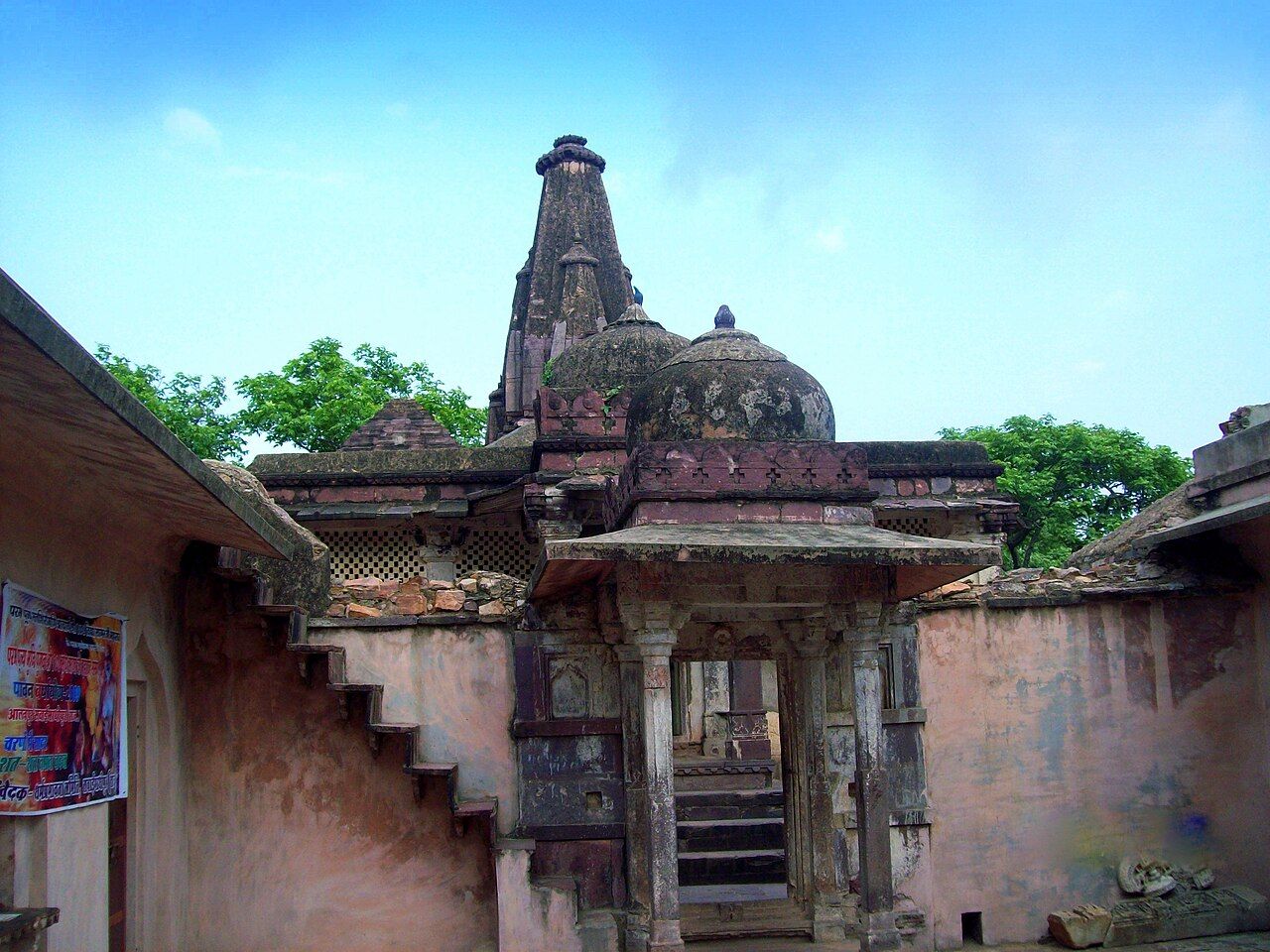
The temple that draws the crowds is the Ganesh temple inside the fort. It is a living shrine with a large following, and on festival days, especially around Ganesh Chaturthi, pilgrims climb the hill in great numbers. Families from across the region are said to send wedding invitations to Ganesh here. Dress modestly, remove your shoes where asked, and expect queues on busy days. There are also Jain temples within the walls, quieter and finely carved.
Give the fort a morning of its own. The climb is steep in places and the stone is uneven, so wear proper shoes and carry water. Langurs live on the walls and around the gates, and they know that visitors carry food. From the ramparts you may spot deer at the lake edges far below, and now and then the forest falls silent in a way that makes everyone on the wall stop and look.
The lakes below the hill
Three lakes lie in the heart of the park: Padam Talao, Rajbagh and Malik. Padam Talao is the largest and sits close beneath the fort, with a red sandstone lodge on its shore that was once used by the rulers on hunting trips. Rajbagh is scattered with ruined arches, domed pavilions and steps running down into the water, and the sight of a deer or a crocodile beside a fallen stone gateway is one of the images that made Ranthambore famous.
The lakes are the park's lifeline. In the dry months, from about March onward, animals gather around the remaining water, and this is when sightings of all kinds tend to rise. Sambar and spotted deer graze the edges, wild boar root in the mud, and mugger crocodiles bask on the banks. Herons, storks, ibises and kingfishers work the shallows, and the woodland holds peafowl, treepies and owls.
How the safaris work
The park is divided into safari zones, and each vehicle is assigned a zone and keeps to it. You go either in an open jeep, known as a gypsy, which takes a small group, or in a canter, a larger open truck with seats for about twenty. The jeep is quieter and more flexible; the canter is cheaper per seat and higher off the ground. There are morning and afternoon drives, each lasting a few hours, and timings shift through the year with the hours of daylight.
Bookings go through the official booking system run by the forest department, and seats in the popular seasons fill well ahead. You need the identity document you booked with on the day. Your zone is a matter of allocation, not choice, and every zone has its own character: some are dense and hilly, others open around the lakes.
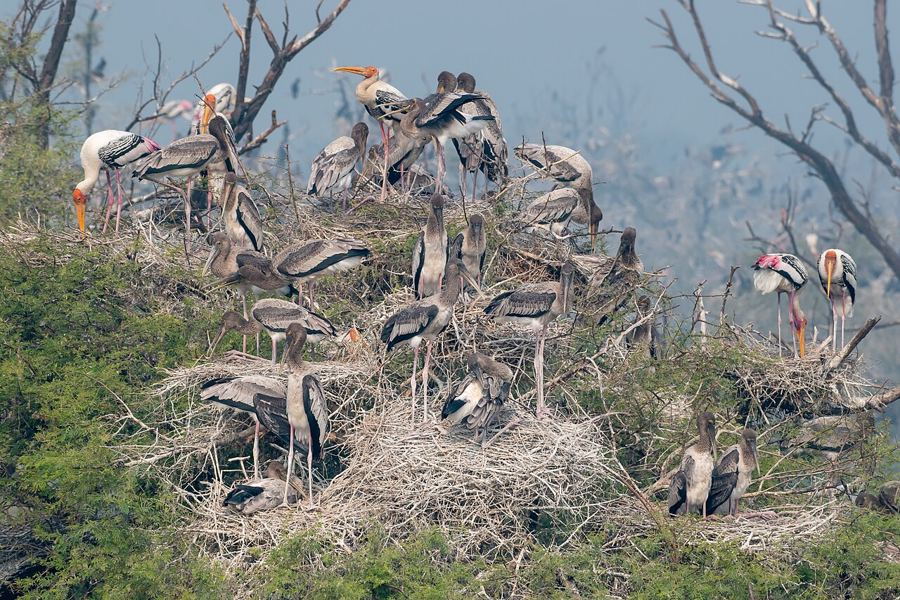 Worth the detour · BharatpurKeoladeo, the bird marsh at Bharatpur
The core zones usually close for the monsoon, roughly from July to September, when the tracks wash out and the forest grows thick. Some outer zones may keep a different calendar. The cool season from about October to February is the most comfortable; the hot months from April to June are hard on people but often better for sightings, because the forest thins and animals come to the water.
Tigers: a chance, not a promise
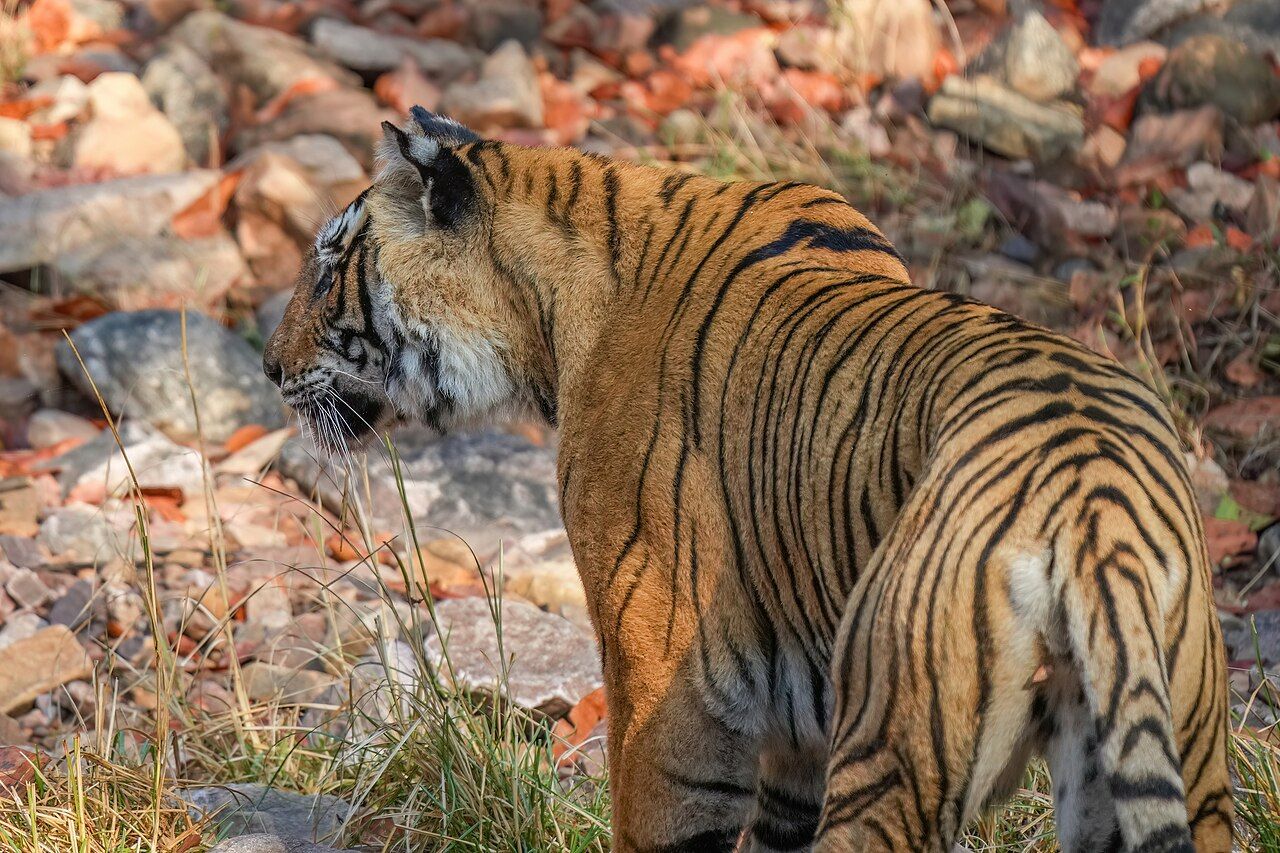
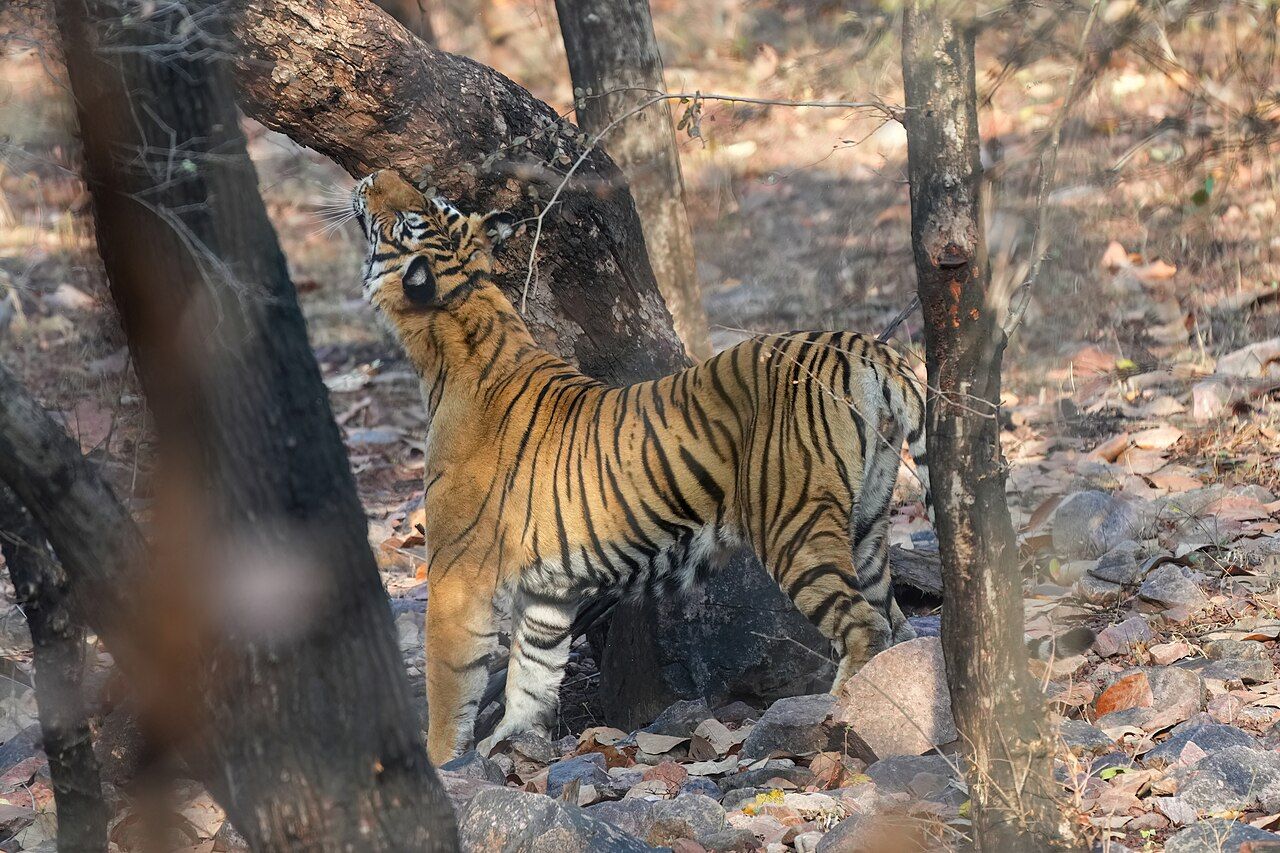
A tiger sighting at Ranthambore is never guaranteed. Many visitors see one on their first drive; others take five drives and see only pugmarks in the dust. Your best odds come from taking several safaris over two or three days rather than one, and from accepting that the forest is not a zoo.
Your best odds come from taking several safaris over two or three days rather than one, and from accepting that the forest is not a zoo.
Listen to the forest as much as you look at it. A sambar's sharp bark, a langur's cough from a high branch, or a sudden silence among the peafowl can all mean a predator is moving. When a tiger does appear, the rules matter: stay seated, keep quiet, and do not ask your driver to leave the track or press closer. Leopards, sloth bears, hyenas and jungle cats also live in the park and are seen less often.
Sawai Madhopur, the station and the zones
Sawai Madhopur is the town and the railway station for Ranthambore, on the main line between Delhi and Mumbai, and trains from Jaipur reach it in a few hours. By road it is a long half-day from Jaipur. The town is spread out along the road towards the park gate, which lies a short drive beyond it.
Two days is the minimum that does the place justice: two or three safaris, a morning on the fort, and an evening watching the sun go down over the hills. If you are travelling the eastern edge of the state, Ranthambore pairs well with the bird marsh at Bharatpur, though the drive between them is long. Our page on road travel and realistic driving times in Rajasthan will help you plan the stretches between.
For the drives themselves, dress in muted colours and layers. Winter mornings in an open vehicle are bitterly cold until the sun climbs, and the tracks throw up fine dust, so a scarf or a mask is useful. Keep phones on silent and voices low.
Next in Eastern edge: Deeg's water palaces